Supporting Kids Through Grief and Goodbyes
As adults, we often try to shield children from grief. We worry the funeral will be too much. That they won’t understand. It might be better if they stay home, away from all the sadness.
But here’s something I’ve seen again and again: Children are far more capable of handling loss than we sometimes give them credit for, especially when they’re gently included, supported, and heard.
How we support children through a funeral matters.
It’s about how we involve them, how we explain death gently, and how we create space for them to grieve in their own way.
Should Children Attend a Funeral?
There’s no one-size-fits-all answer, but here’s a good place to start:
Ask the child. Even young children often know what they feel ready for. You might be surprised by what they say.
Give them choice and information. Let them know what to expect, what the space will feel like, and who will be there.
Let them be part of it. In big or small ways, inclusion can offer them a sense of connection and comfort.
Funerals can help children understand the reality of death and give them a healthy way to say goodbye, just like it does for adults.
How to Explain Death Gently
It’s ok to use the word “death.” Clear, simple language helps kids make sense of what’s happening.
Here are a few examples that are honest but kind:
“When someone dies, their body stops working and they don’t feel anything anymore.”
“We’re all feeling really sad because we miss them. It’s ok to feel that.”
“The funeral is a special way for us to say goodbye and remember them.”
Avoid saying someone “went to sleep” or “left”. These phrases can be confusing or even frightening for children.
Ways to Involve Children in the Farewell
Involvement helps kids feel connected. It gives them something to do with their feelings and a way to contribute that’s meaningful.
Here are some gentle ideas that they may like to do:
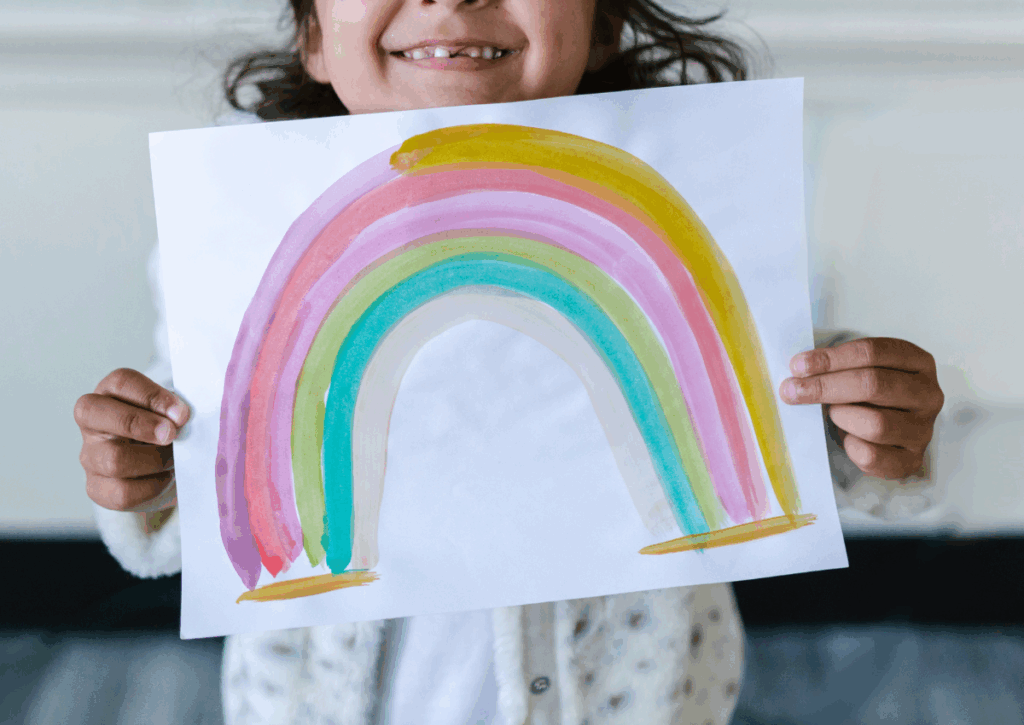
- Draw a picture or write a letter to place in the coffin or on a memory table
- Light a candle during the ceremony
- Read a short poem or say a few words
- Choose a song or photo to include
- Hand out rosemary sprigs or small mementos to guests
- Help bake or serve food for the gathering afterwards
Some kids want to be involved. Others prefer to observe quietly. Either way is ok.
Create Space for Their Grief
After the farewell, keep the conversation open.
Let them ask questions, even if they ask again and again. Let them express sadness, anger, confusion… or nothing at all. Children grieve in waves, and often in their own time.
Offer simple reassurance:
“I’m here if you want to talk or ask anything.”
“It’s ok to cry. It’s also ok not to.”
If you’re struggling too, it’s ok for them to see that. Grieving together, honestly and gently, is part of what helps them feel safe.
Final Thought
Involving children in a funeral or goodbye doesn’t make the moment heavier it can actually help lighten the emotional load for everyone. It’s an act of trust, love, and inclusion.
When we invite children to honour someone in a way that makes sense for them, we teach them that grief isn’t something to fear. It’s something to feel and something we can go through together.
If you’re planning a farewell and wondering how to support a child through it,
I’m here to help.


Greg Colby
Greg is a funeral director, celebrant, and founder of Your Choice Funerals. With 20+ years of supporting families through life’s most tender moments, Greg believes every farewell should feel true to the person it honours: personal, thoughtful and never rushed.