Farewelling with Aboriginal Culture, Connection and Care
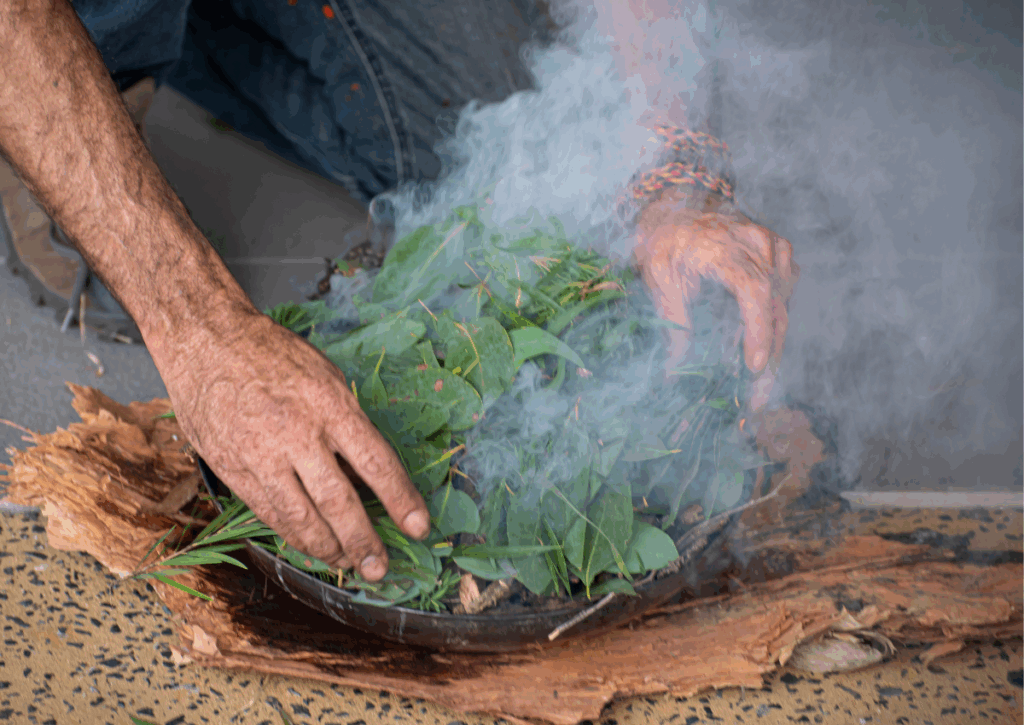
When we honour someone’s life, we’re not just saying goodbye, we’re telling a story.
And for Aboriginal and Torres Strait Islander peoples, that story is deeply connected to Country, culture, community, and ancestors.
Creating space for culture, connection, and truth-telling is a powerful part of that journey. In my work, I’ve been privileged to support families who wish to include Indigenous ceremony and customs as part of their farewell. Sometimes it’s quiet and private. Other times, it’s community-led and rich with symbolism.
There is no one way, but when done with care, respect, and permission, these moments can carry deep meaning.
A Deep Connection to Country and Ancestors
For many First Nations people, death is not the end, but a continuation, a return to ancestors, to Dreaming, to Country. Farewells often honour that journey.
Some families choose to:
- Invite an Elder or community leader to speak or perform a ceremony
- Include smoking ceremonies to cleanse and guide spirit
- Play clapsticks, yidaki (didgeridoo), or traditional music
- Display meaningful artwork, artefacts, or symbols
- Incorporate language, song, or storytelling from their mob or Nation
What matters most is ensuring the farewell reflects cultural identity and is done in a way that’s respectful to both the person and their community.
Every Family, Every Mob, Every Story is Different
Not every Aboriginal person practises ceremony in the same way and not every family will want traditional elements included. Some may prefer a quiet nod. Others may want a ceremony shaped entirely by culture.
The most important thing is to ask gently, listen carefully, and seek permission.
I always encourage families to guide me. I can also help connect them with the right people, whether that’s an Elder, cultural adviser, or support service to shape something meaningful and grounded.
Creating Cultural Space at a Farewell
It’s not always about formality. Sometimes inclusion is as simple as:
- A Welcome to Country or Acknowledgement of Country
- Sharing the person’s language group or Country in the printed service
- Lighting a candle in their memory while playing a traditional song
- Wearing colours, symbols, or artwork meaningful to their mob
- Telling stories that honour the way they lived and who they belonged to
Small gestures can hold big power, especially when they come from a place of respect.
Walking Together With Respect
As a non-Indigenous funeral director and celebrant, I believe deeply in walking gently and respectfully alongside First Nations families. That means:
Never assuming
Always asking
Knowing when to step forward and when to stand back
And acknowledging that Country, culture, and ceremony are not “add-ons”, they are central to identity.
Final Thought
Including Indigenous ceremony in a funeral isn’t about performance. It’s about presence. It’s about giving space to story, spirit, and truth.
If you’re planning a farewell and want to include cultural elements, or you’re not sure how to begin, I’m here to help guide the process with care.
It would be my honour to walk that journey with you.


Greg Colby
Greg is a funeral director, celebrant, and founder of Your Choice Funerals. With 20+ years of supporting families through life’s most tender moments, Greg believes every farewell should feel true to the person it honours: personal, thoughtful and never rushed.